
A Quick Technical Introduction for People New to Cycling
Something I will always support is people of all ages taking up cycling.
I appreciate that for many people the technical side of bikes is something that is unfamiliar.
Hopefully this will answer some of those questions. If there’s other things you’d like top see covered please let me know.
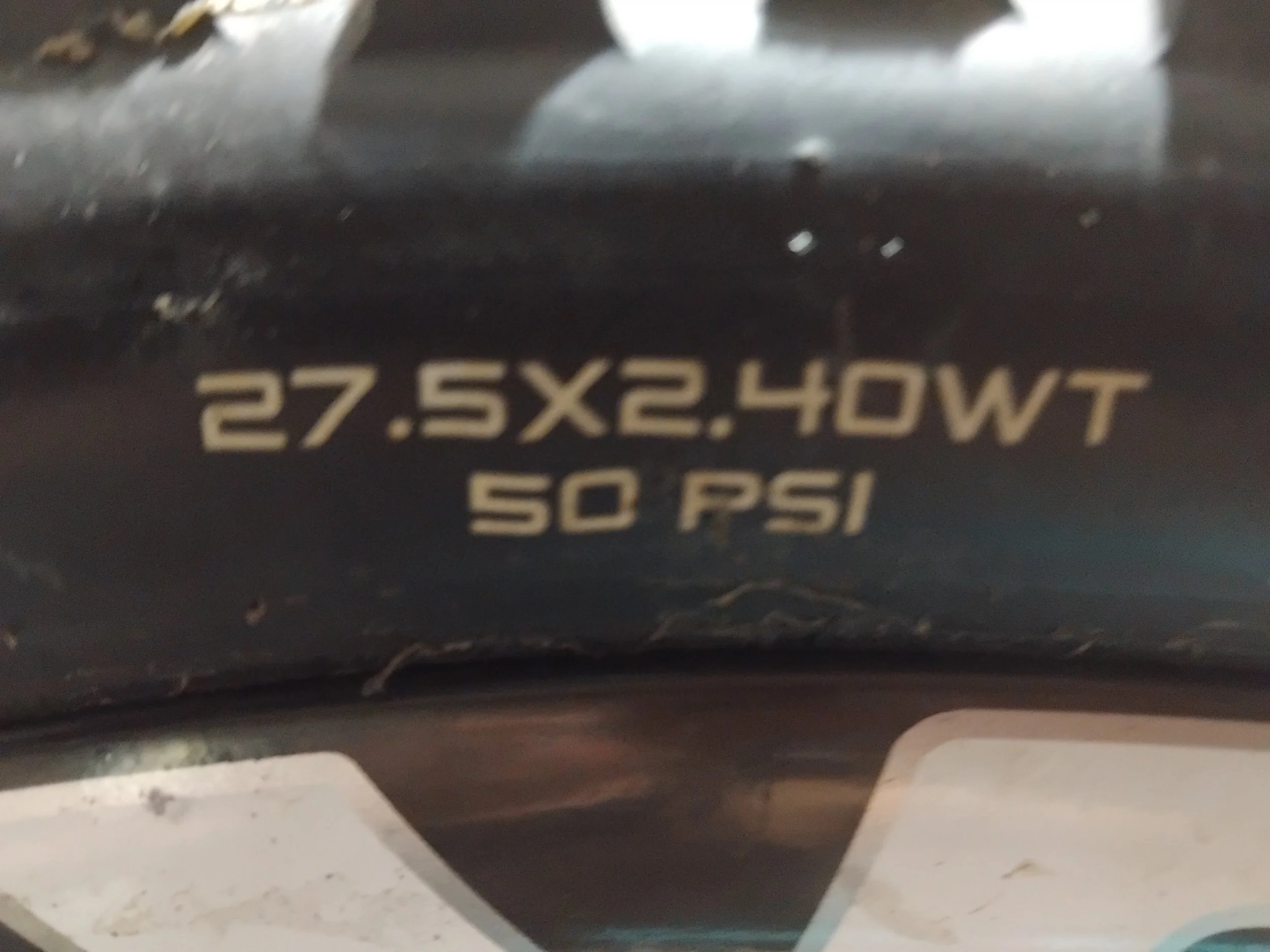
How to identify the tyre size.
On the side of the tyre look for two numbers together such as 27.5 2.2 or 700C 38. The first number is the diameter and the second is the width. Common wheel sizes for mountain bikes are 26”, 27.5” and 29”. Road bike use sizes such as 700c (Measuring conventions in bike are a bit messy and a combination of metric and imperial.)
Inner Tubes
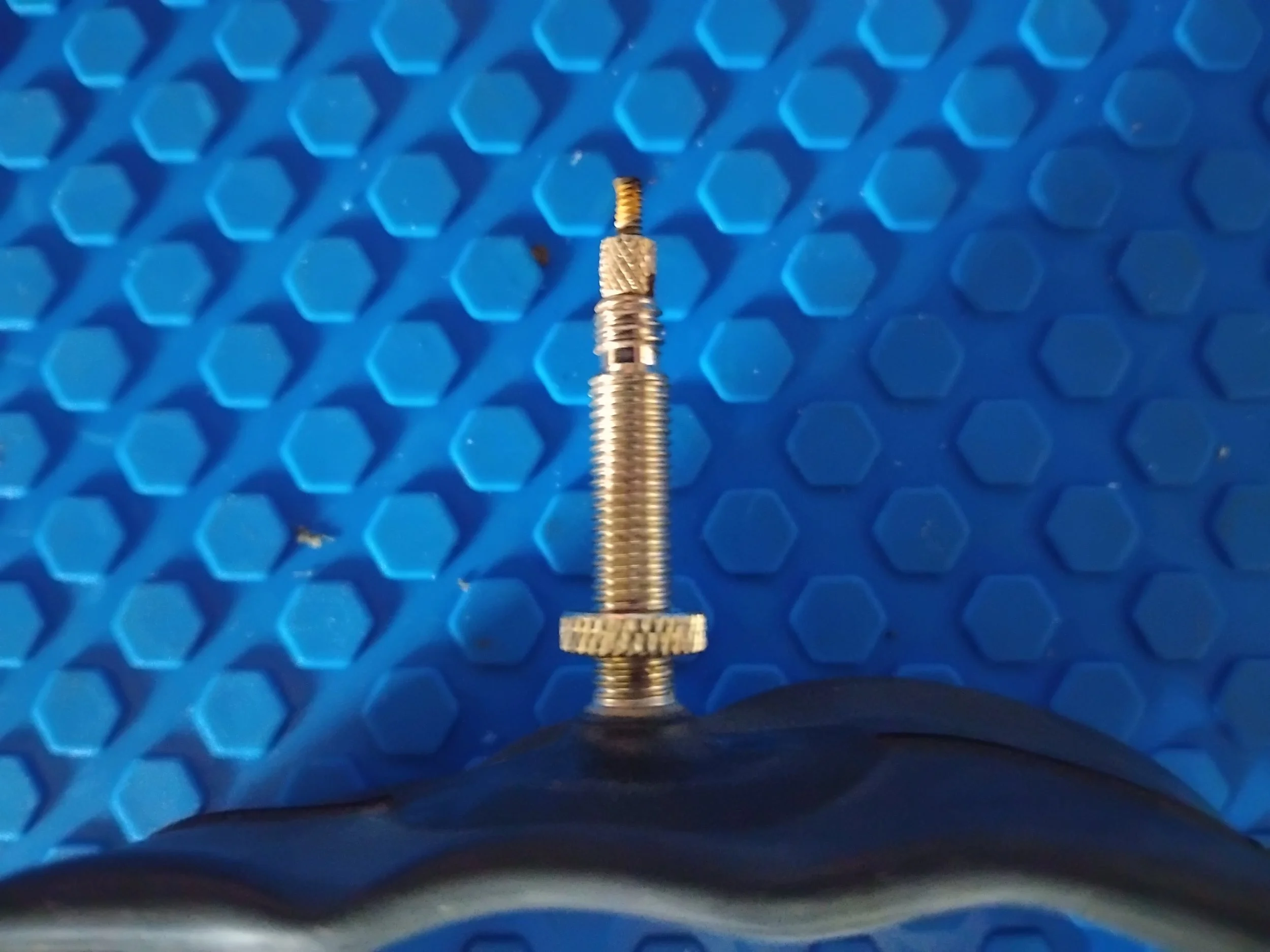
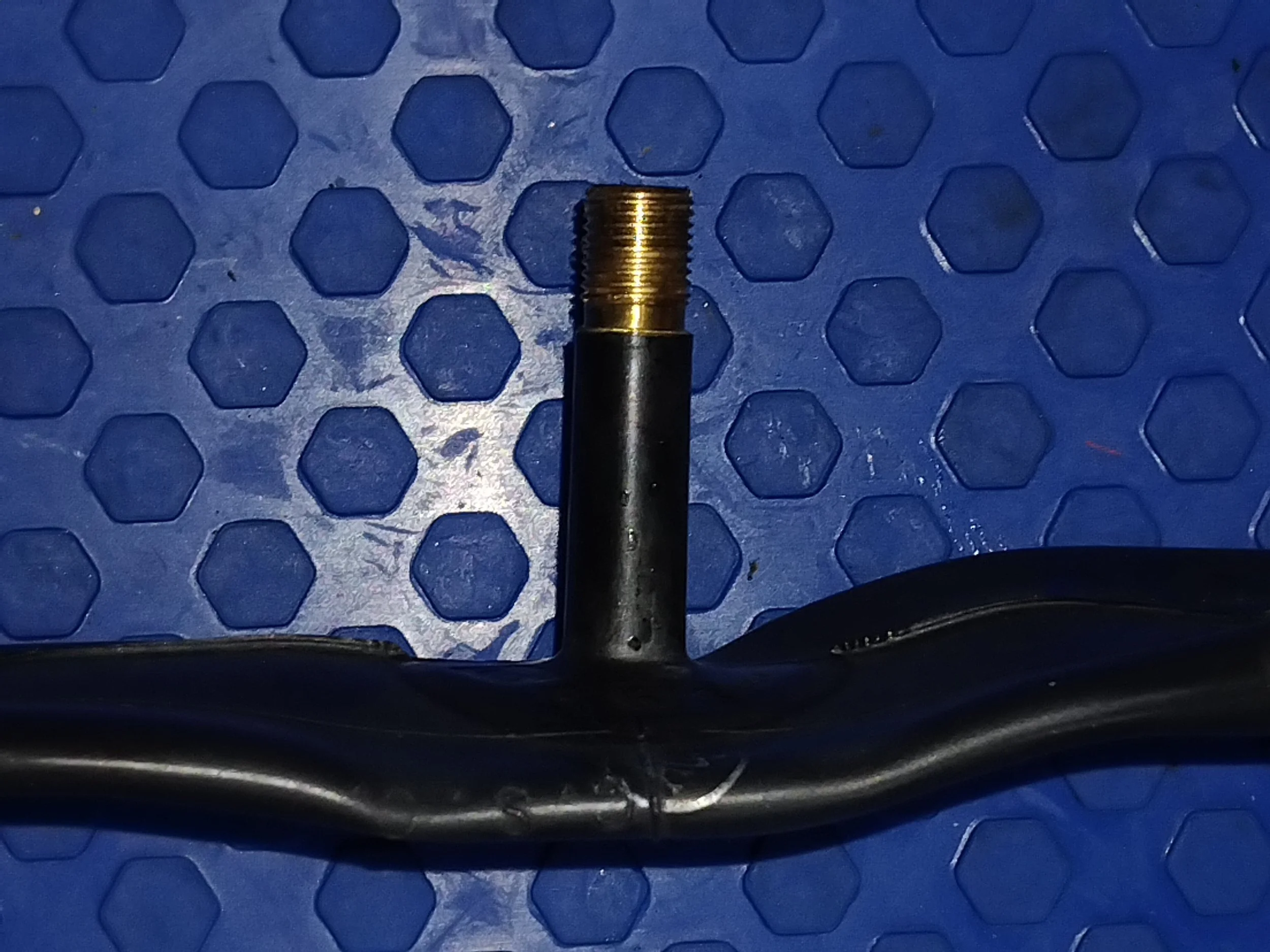
Inner tubes use two sorts of valves. Schrader Valves (the same as on a car tyre) and Presta Valves. Some presta inner tubes have removable valve cores. The size of a replacement inner tube needs to match the size of the tyre and have the correct sort of valve as the are different diameters and are not interchangeable.
Presta
Schrader
Tubeless Tyres
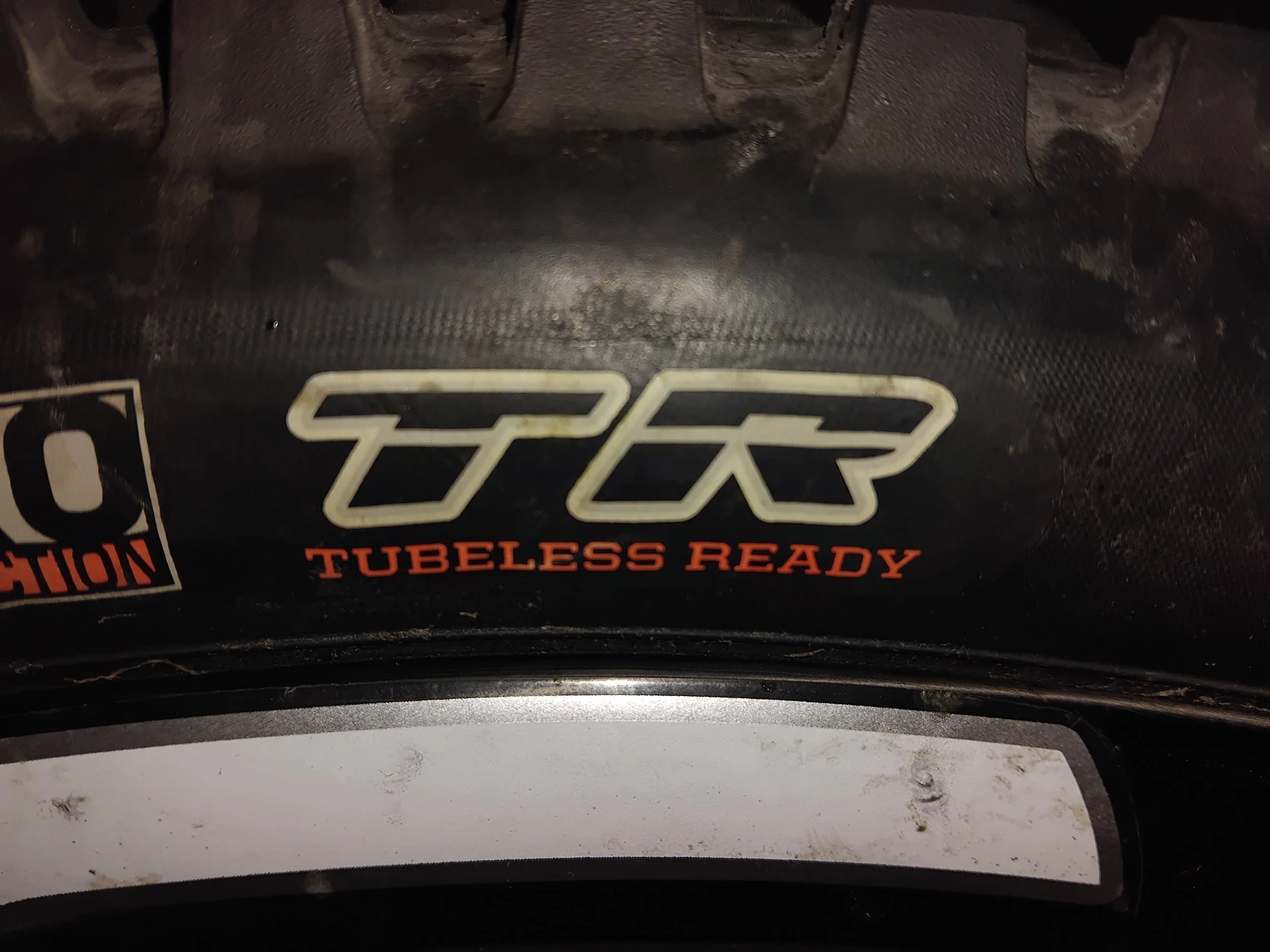
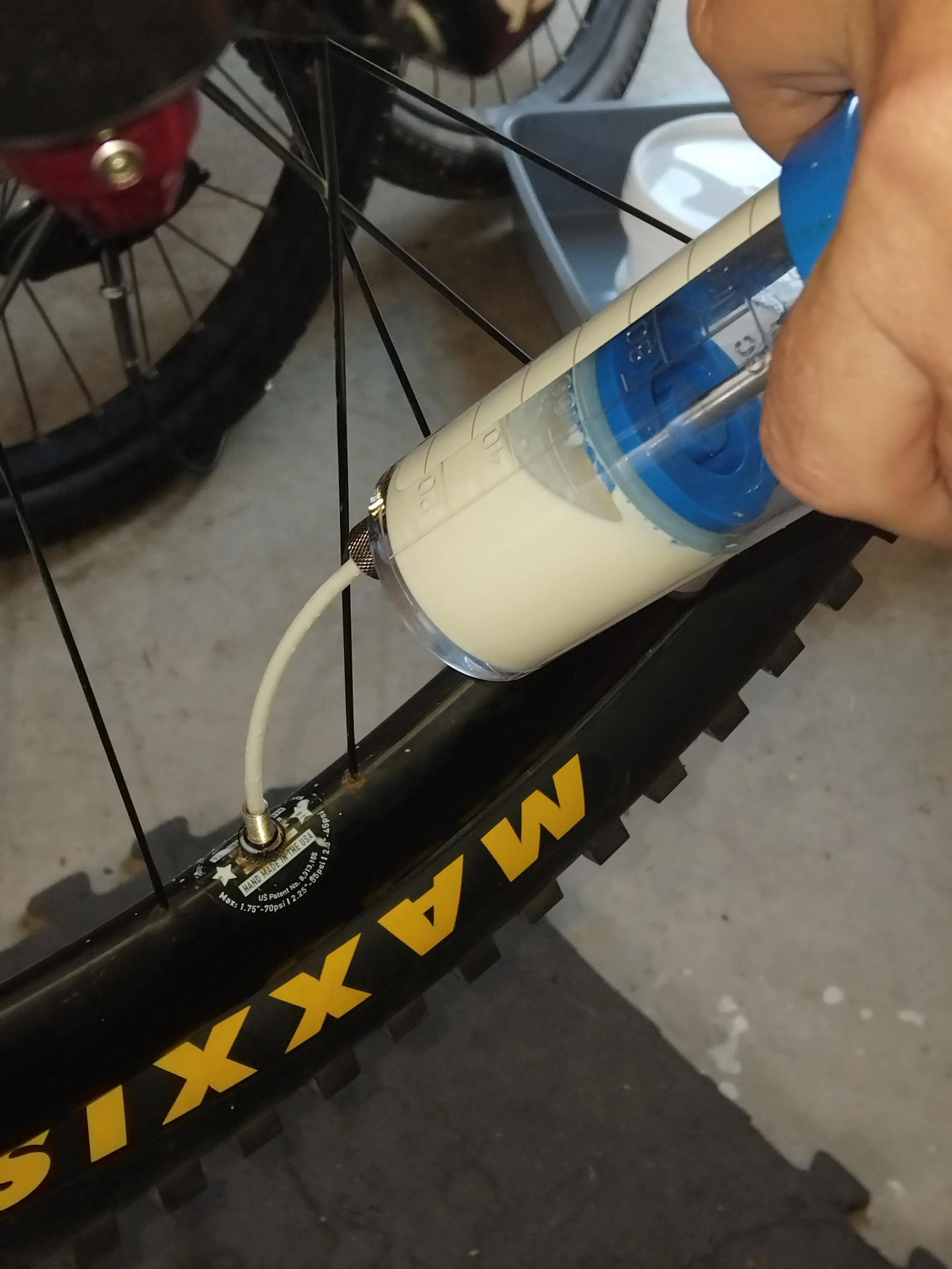
Many modern bikes use tubeless tyres which seal against the wheel rim and eliminate the need for an inner tube. There is a liquid sealant inside the tyre which need to be replaced every six months. This is why the valve core is removable allowing the sealant to be injected into the tyre. Tubeless tyres are usually marked on the outside
Gears Not Properly Shifting
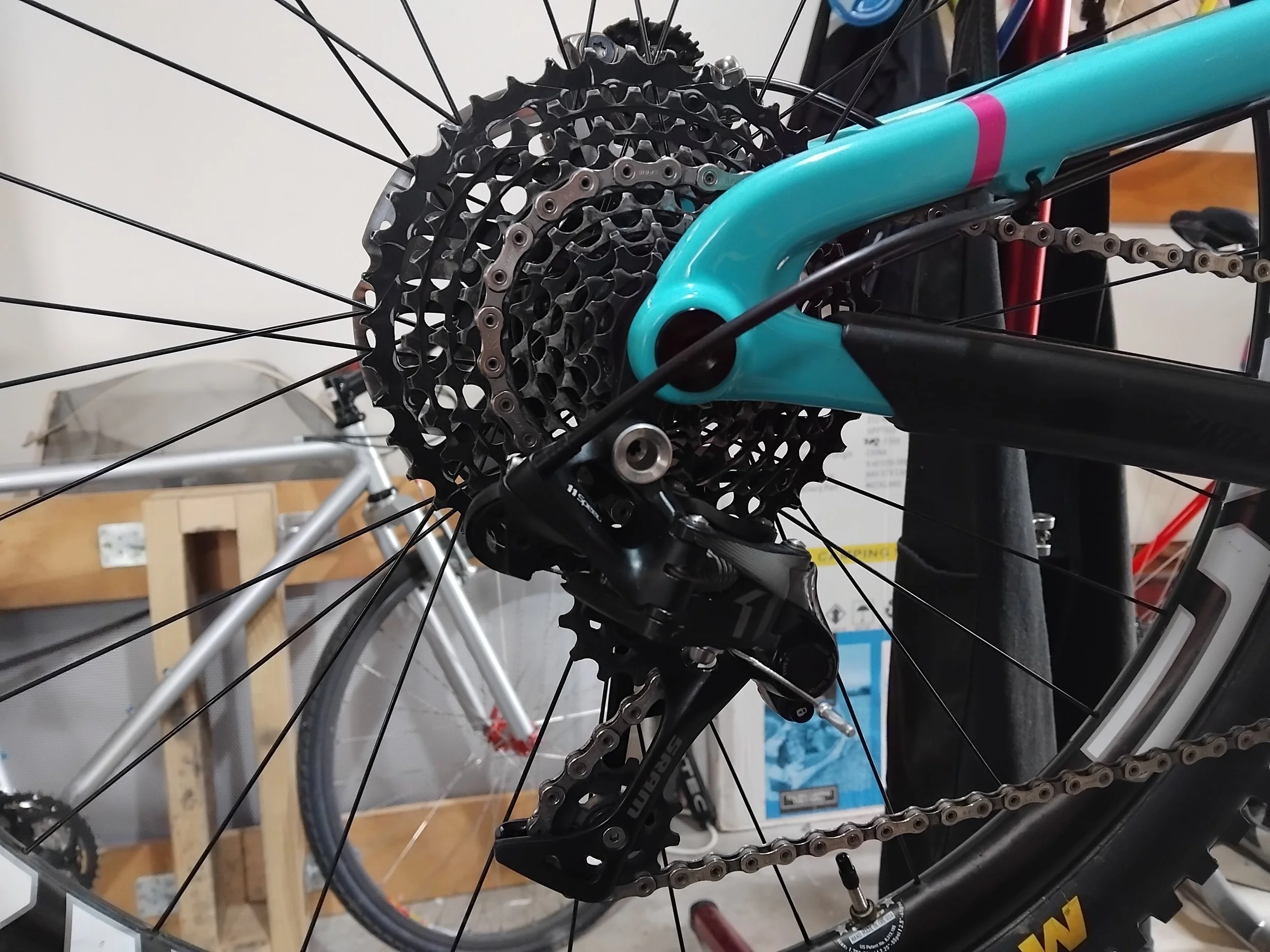
Some of the reason the gears aren’t working.
1 The chain is worn and needs replacing.
2 The gear cable is not moving smoothly through the outer housing, either or both need replacing.
3 The Derailleurs (the bits which do the gear changing) are not correctly set up.
4 The chain and sprockets need to be kept clean and the chain lubed.
5 The gear shifter on the handlebars needs cleaning
6 The hanger which attached the rear derailleur to the frame of bent. I have a tool specifically for straightening these.
Squeaky Disc Brakes
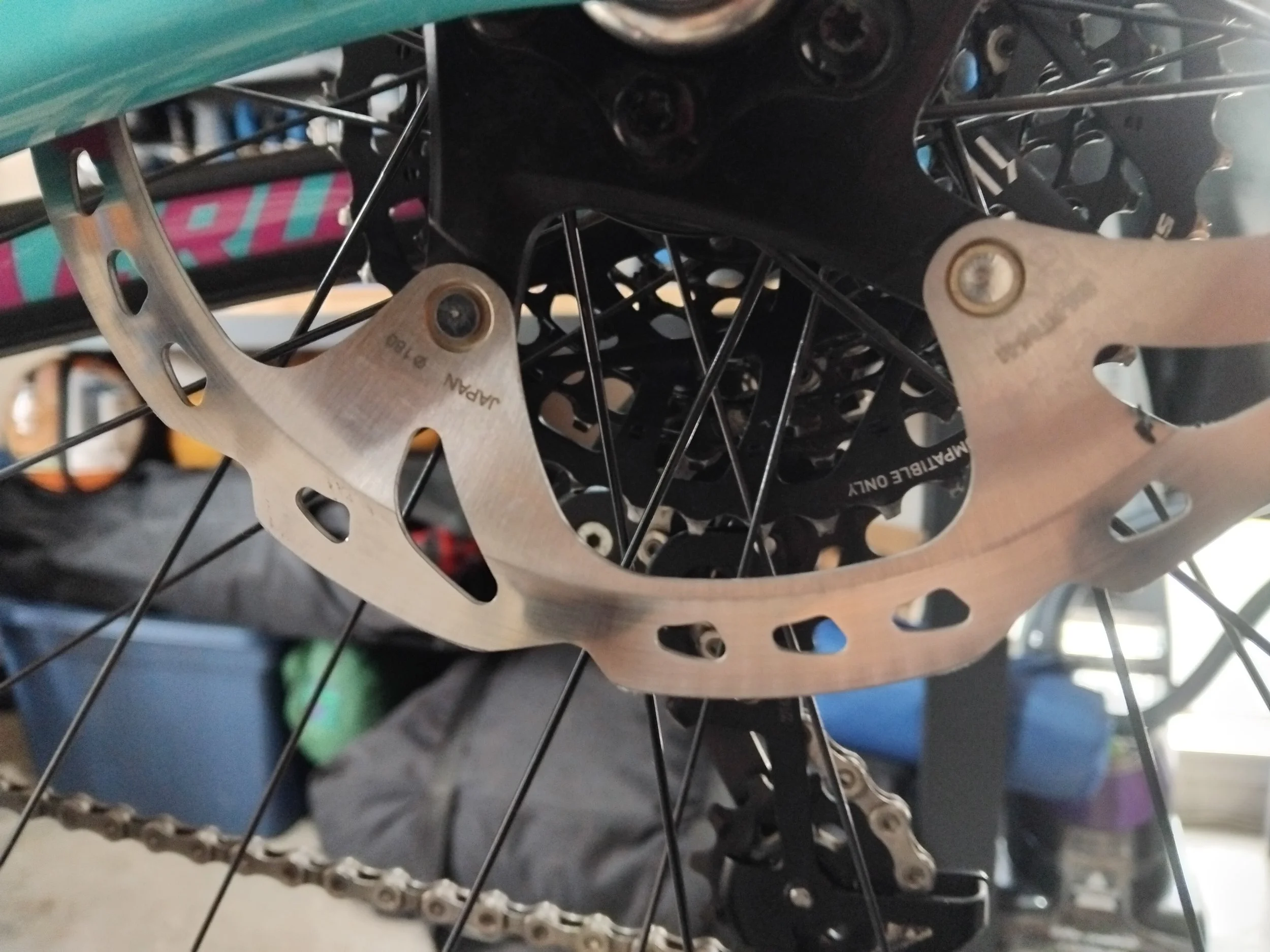
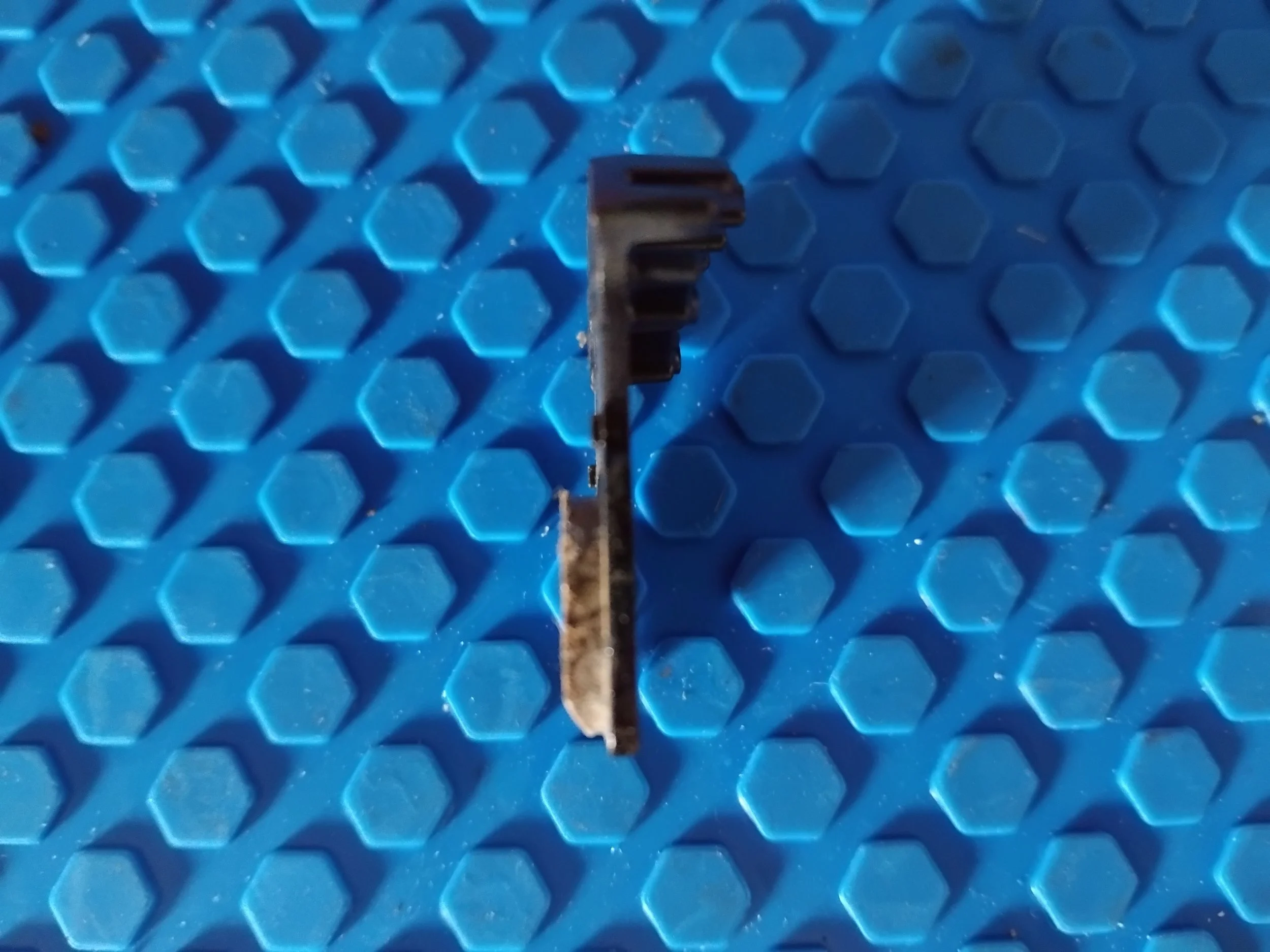
Disc Brakes - both hydraulic and cable operated can often squeak. The main reason is contamination on the disc and/or the brake pad. Discs and Brake Pads both need to stay clean to hopefully eliminate this. There is also a minimum thickness for both disc and pad at which point they need to be replaced. The image on the right shows a brake pad in good condition.
Hydraulic Disc Brakes Feeling Spongy
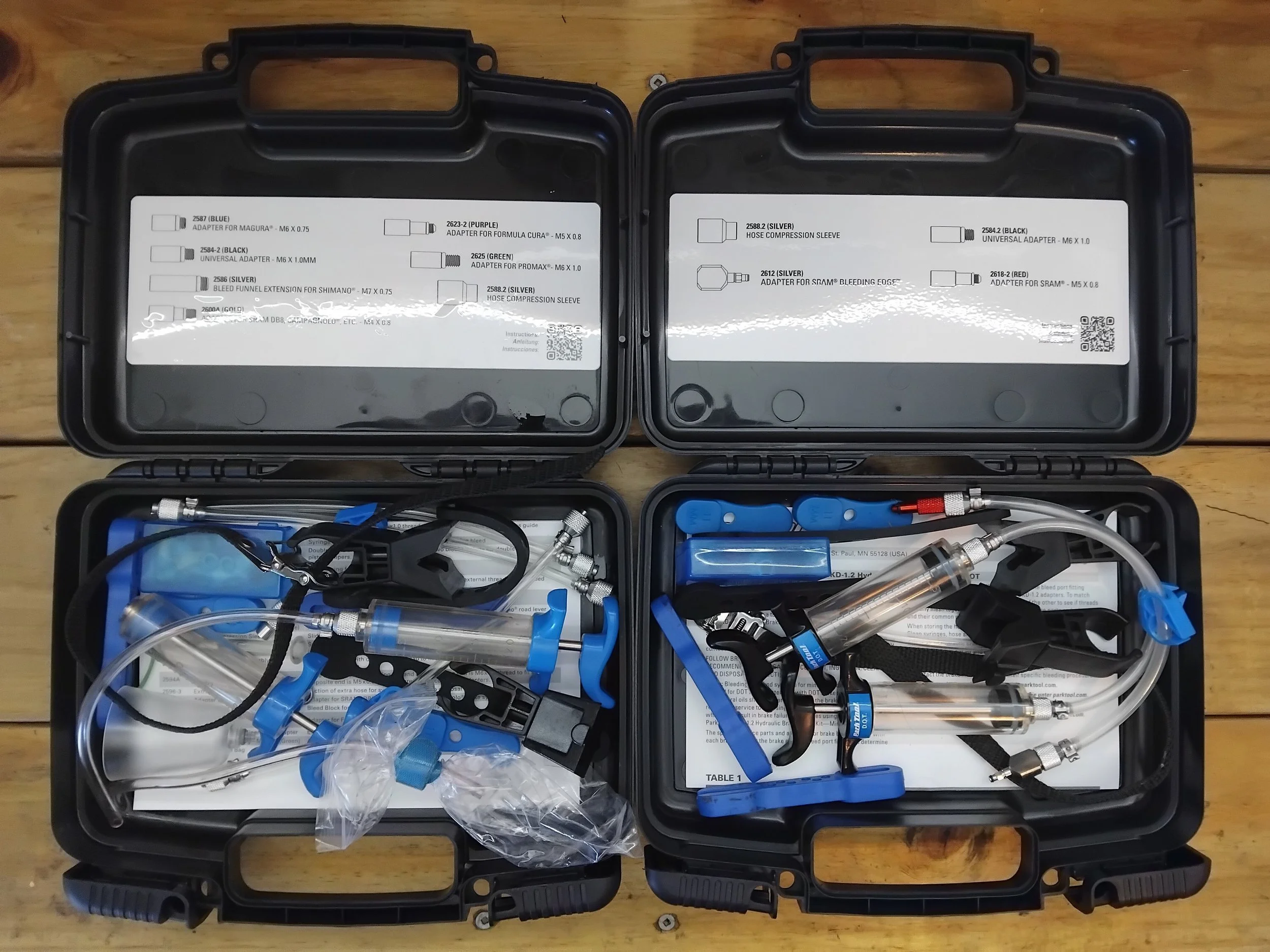
Hydraulic disc brakes cand feel spongy because of air bubbles trapped on the hoses. They require bleeding once a year to remove the and improve braking performance..
It’s a service I offer - shown on the Services page using Park Tool Bleed Kits.
Various Creaks and Squeaks
These can result for bolts not tightened to the correct torque and becoming loose, grease not be used where it should and a bunch of other reason. A thorough examination will reveal the source.